When you lose one or more teeth, it’s natural to wonder what options exist to restore the function and appearance of your smile. One of them is dental bridges, a rehabilitation alternative that replaces missing teeth using natural teeth or implants as support.
But not all bridges are the same. There are different designs, and each one responds to different clinical situations. That’s why, rather than asking which is the best dental bridge, what matters is knowing which type of bridge can adapt to the conditions of your mouth.
At Unilaser, the choice is made after evaluating the teeth surrounding the space, the gums, the bite, the condition of the roots, and, when applicable, the condition of the bone and any implants.
What Is a Dental Bridge?
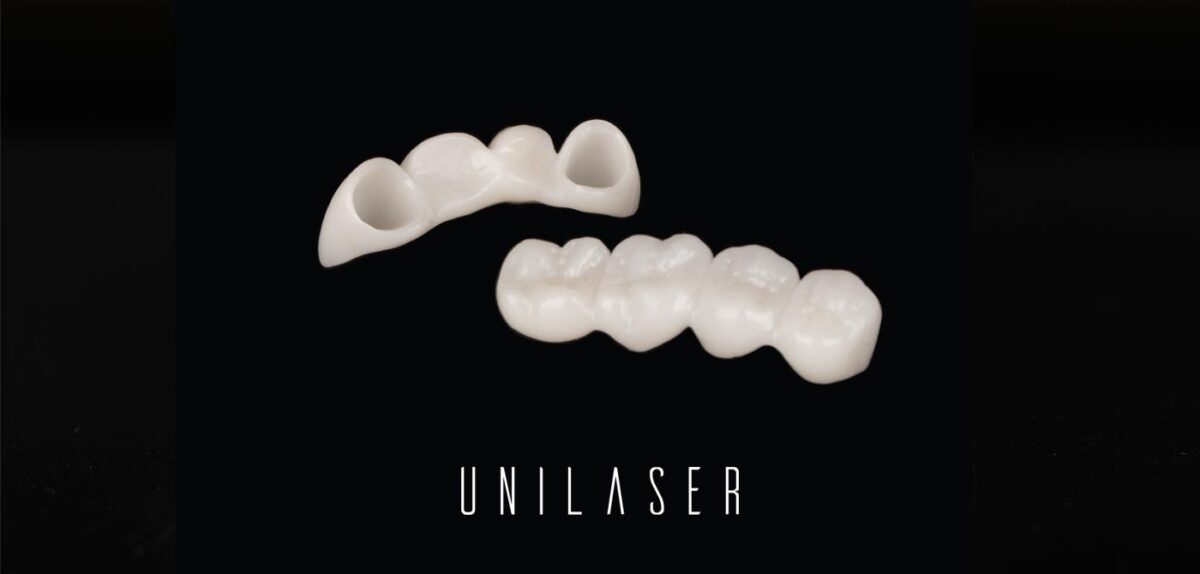
A dental bridge is a restoration that replaces one or more missing teeth. It’s made up of connected elements: the structures that serve as support and the artificial teeth that occupy the space where the tooth is missing.
Bridges can be supported on natural teeth or on dental implants. In the case of tooth-supported bridges, the teeth that serve as pillars must be in adequate condition to support the restoration.
When the bridge is placed on implants, the implants function as the support for the restoration.
The choice between one alternative or the other depends on how many teeth are missing, the condition of the neighboring teeth, gum health, available bone, the bite, and each patient’s particular conditions.
What Types of Dental Bridges Are There?
There are different designs. The most relevant ones for understanding the alternatives are traditional bridges, cantilever bridges, and Maryland bridges. Implant-supported bridges also exist.
Traditional Dental Bridge
This is one of the most well-known designs. It’s used when there are teeth or tooth roots on both ends of the space that can function as pillars.
The pillar teeth receive the crowns that hold the bridge in place, while the part that occupies the space of the missing tooth is called the pontic.
To place this type of bridge on natural teeth, the teeth that will serve as support need to be prepared. That’s why, before recommending it, it’s essential to evaluate their structure, roots, gums, and radiographic condition.
Even a tooth that has previously had root canal treatment can function as a pillar in certain cases, as long as it meets the necessary conditions to support the restoration.
Cantilever Dental Bridge
Unlike a traditional bridge, a cantilever bridge is supported on only one of its ends.
Because of this characteristic, its indication is more specific. At Unilaser, it’s considered especially for certain areas where chewing force is lower and when the condition of the supporting tooth or root is adequate.
It isn’t an alternative that can be used in just any space where a tooth is missing. Assessing the bite and the teeth that will function as support is essential before deciding whether this design is appropriate.
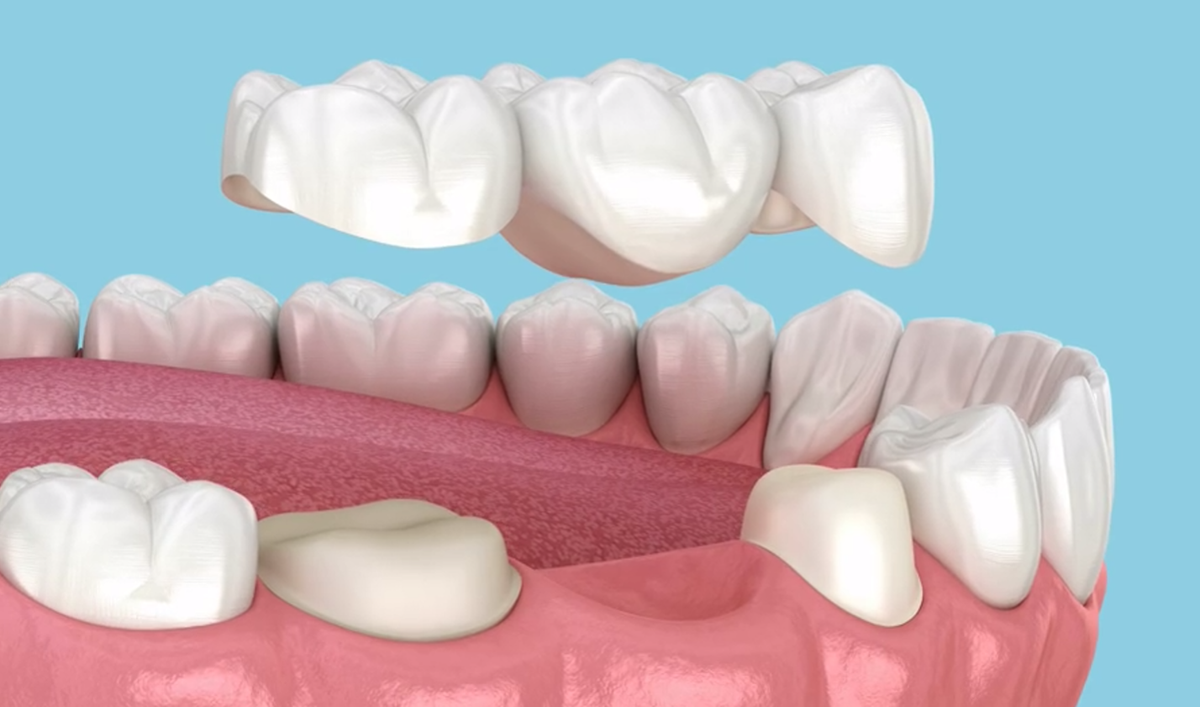
Maryland Dental Bridge
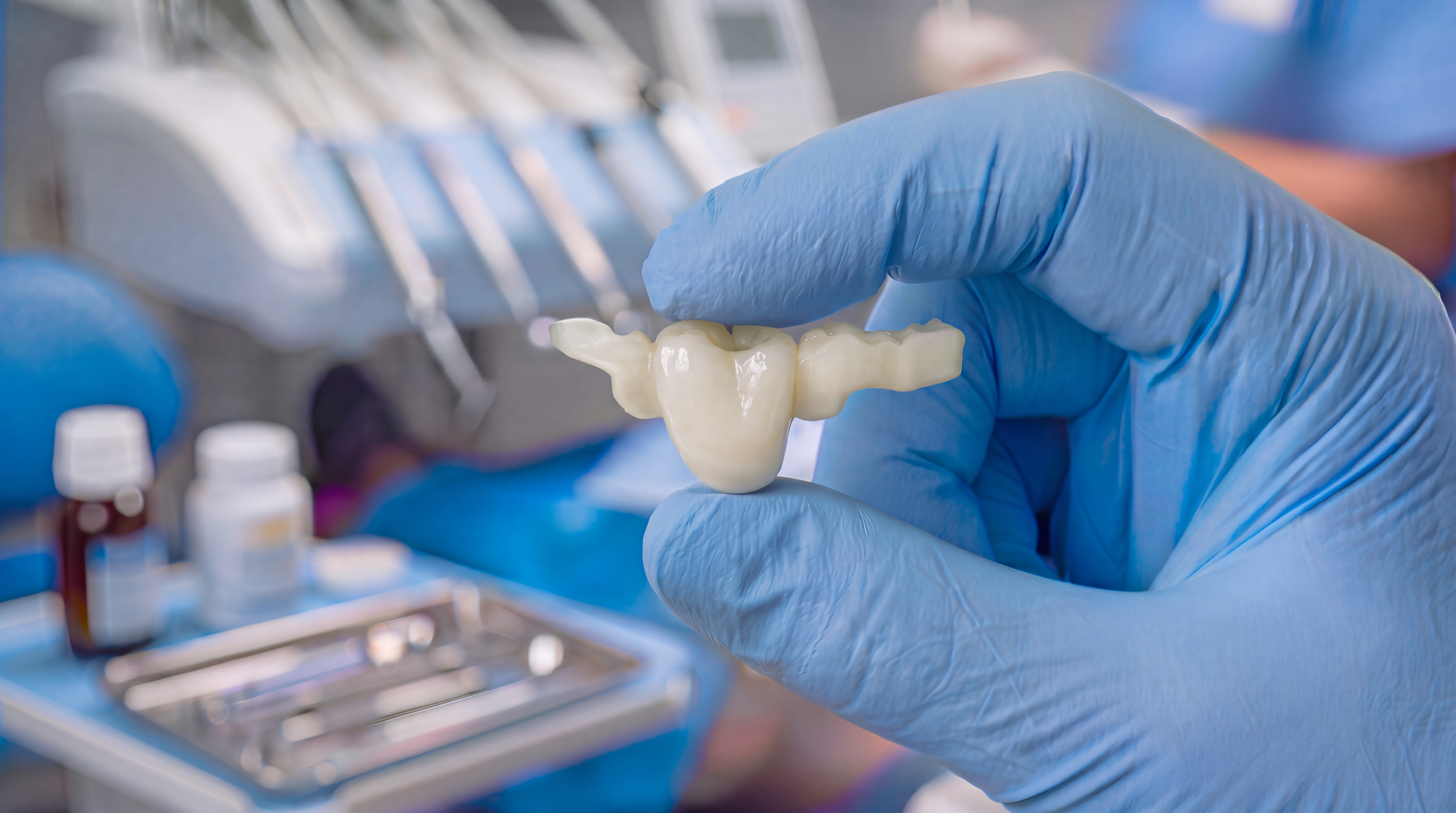
The Maryland bridge is a more conservative alternative in certain situations. Instead of using full crowns on the neighboring teeth, it’s held in place with lateral wings that rest on the adjacent teeth.
At Unilaser, this type of bridge is made from metal-free zirconia.
Its use is more limited: it’s indicated for replacing a single tooth and when the space isn’t too large. That’s why, although it can be a conservative option, it doesn’t mean it’s suitable for every case.
The position of the missing tooth, the bite, and the characteristics of the neighboring teeth are some of the aspects that need to be assessed.
Are There Dental Bridges Supported by Implants?
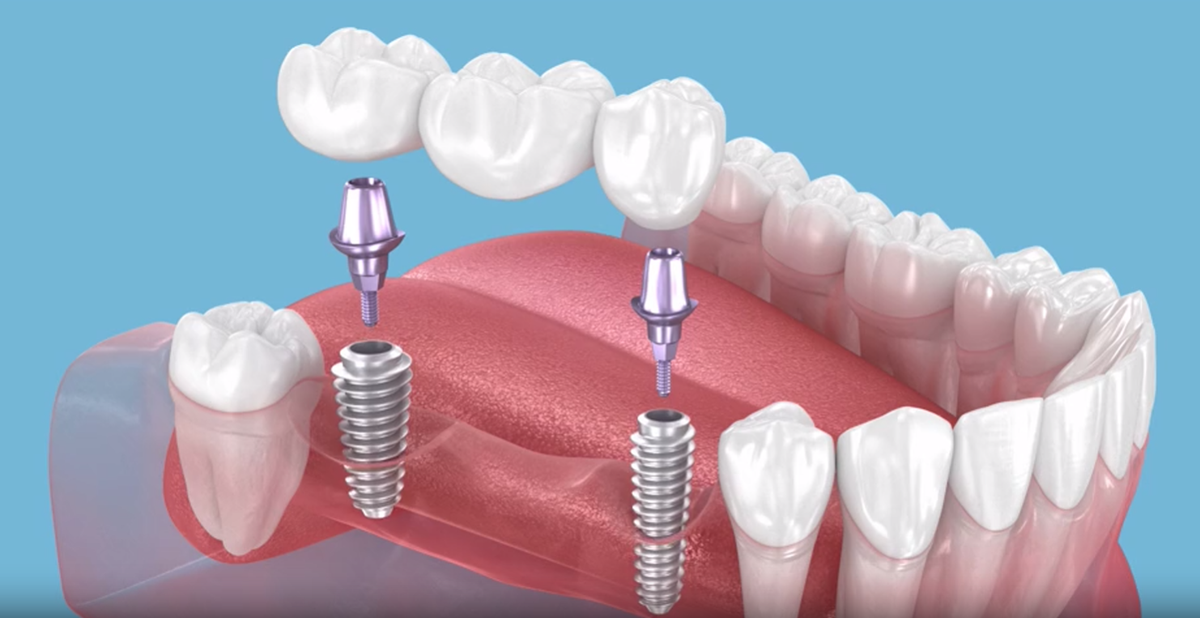
Yes. When several teeth are missing, it’s possible to place fixed bridges supported by two or more implants, depending on the conditions of the case.
This alternative allows several teeth to be replaced without needing to use each neighboring natural tooth as support.
Implants can also be used for more extensive rehabilitations when several teeth have been lost. In these cases, the type of prosthesis or bridge is defined according to the number of missing teeth, the available bone, and the patient’s functional and aesthetic needs.
That’s why talking about dental bridges doesn’t necessarily mean talking about reshaped teeth. A bridge can also be part of an implant-supported rehabilitation.
Dental Bridge or Implant: How Do You Know Which One You Need?
This is one of the most common questions when a tooth is missing.
Generally speaking, when a tooth is lost, an implant can replace the root and later support a crown placed on top of it. When several teeth are missing, several implants can also be used to support a bridge.
At Unilaser, implants are preferred over reducing natural teeth when the patient’s conditions allow for this treatment. Tooth-supported bridges are considered mainly when there’s a condition that prevents placing implants, or when the patient doesn’t want this alternative. If you’re not sure which option applies to you, you can learn more about whether you’re a candidate for dental implants.
This doesn’t mean one option is universally better than the other. The decision depends on each person’s clinical situation.
If there’s bone loss, for example, that doesn’t necessarily mean implants are ruled out. In certain cases, regeneration procedures or bone grafts can be performed to create the necessary conditions for placing implants.
What Happens If You’re Missing a Tooth and Don’t Replace It?
Losing a tooth doesn’t just affect the visible space that’s left. Over time, changes can occur in the position of the neighboring teeth and in the bite. If you’d like to learn more about this in detail, take a look at our full guide on what happens if you are missing a tooth.
Bone volume loss can also occur in the area where the root used to be, which is especially important when an implant is later considered.
That’s why, if you’re missing a tooth, it doesn’t mean you have to choose a treatment right away, but it is recommended to find out what’s happening in your mouth and what alternatives are available.
An assessment makes it possible to determine whether an implant with a crown, a tooth-supported bridge, an implant-supported bridge, or another form of rehabilitation is more suitable.
How Is a Dental Bridge Made?
The fabrication process depends on the type of bridge and where it will be supported.
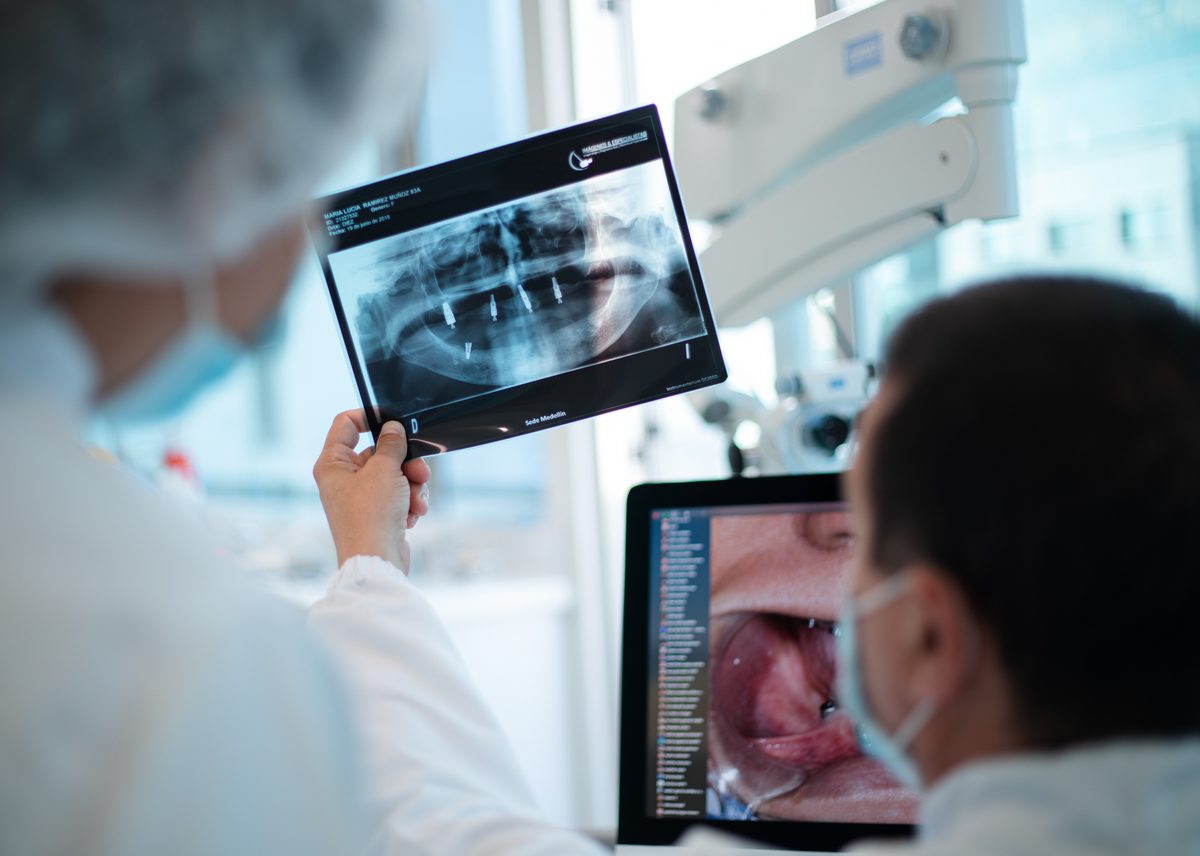
At Unilaser, we use digital dentistry and an intraoral scanner to obtain precise records of the mouth and plan how the restorations will fit. This technology is used both in tooth-supported and implant-supported rehabilitations.
For a tooth-supported bridge, the teeth that will function as pillars are first assessed, and the necessary preparation is performed. The restoration is then designed and fabricated according to the patient’s anatomy, bite, and aesthetic characteristics.
For implant-supported bridges, the restoration is designed based on the position of the implants and the needs of the rehabilitation.
How Do You Care for a Dental Bridge?
Having a bridge doesn’t mean you can stop paying attention to the hygiene of your teeth and gums.
Some important recommendations include:
- Brushing your teeth and the bridge regularly.
- Using floss threaders or interdental hygiene tools to clean under the bridge when needed.
- Paying special attention to the areas near the gums.
- Avoiding using your teeth to open objects or biting excessively hard items.
- Attending regular dental checkups to review the condition of the bridge, the supporting teeth, and the gums.
Maintenance is especially important when the bridge is supported by natural teeth, since the health of those teeth and the gums directly influences the restoration.
Which Dental Bridge Is Right for You?
There isn’t a single type of bridge that works for everyone.
To determine what may be suitable in your case, it’s necessary to evaluate aspects such as:
- How many teeth are missing.
- The position of the gaps.
- The condition of the neighboring teeth.
- Gum health.
- The condition of the roots.
- The bite and chewing forces.
- The amount and condition of the bone, when implants are being considered.
- Your functional and aesthetic needs.
In some cases, the best solution may be an implant with an individual crown. In others, an implant-supported bridge may allow for replacing several teeth. And when implants aren’t an option, a tooth-supported bridge can be part of the rehabilitation.
At Unilaser, these treatments are part of oral rehabilitation, where different alternatives are combined according to each patient’s needs.
Replacing a Missing Tooth Is More Than Filling a Gap
When a tooth is missing, the solution shouldn’t be chosen based solely on how it looks. Function, the bite, the health of the neighboring teeth, the gums, and bone conditions are also part of the decision.
That’s why knowing the types of dental bridges is a good starting point, but the final choice should be made after an individual assessment.
At Unilaser, we evaluate every case comprehensively to determine which rehabilitation alternative may best suit your smile, your function, and the conditions of your mouth.